
The Thrill of Risk and Reward
High-stakes casino gambling appeals to individuals seeking the adrenaline rush that comes from risking large sums of money. This thrill, often referred to as “gambling excitement,” activates the brain’s reward pathways, releasing dopamine and creating feelings of pleasure. For many, the potential for large payouts fuels an exhilarating experience that is difficult to replicate elsewhere in life. Enthusiasts often turn to various options, including the best crypto sports betting sites, to enhance their gambling adventure.
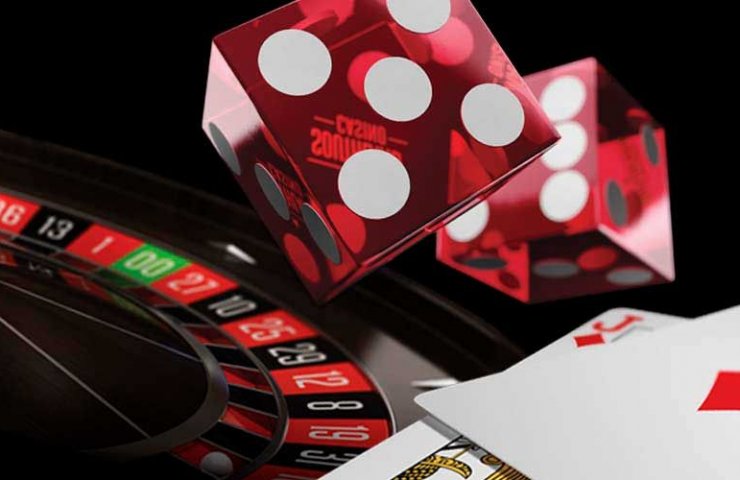
The anticipation of winning can push gamblers to continue playing, even when the odds are against them. This behavioral pattern is often exacerbated in high-stakes environments where the atmosphere is charged with energy. The mix of chance, skill, and the allure of wealth creates a unique cocktail that keeps players returning, sometimes despite significant losses.
Psychological Triggers and Cognitive Biases
Cognitive biases play a significant role in high-stakes gambling. Gamblers may exhibit the “illusion of control,” where they believe they can influence outcomes through their decisions, even in games entirely based on chance. This belief can lead them to place larger bets, reinforcing their commitment to the game, despite the irrationality of their assumptions.
Moreover, the gambler’s fallacy can lead individuals to think that past outcomes will affect future probabilities. For instance, if a player has experienced a losing streak, they might feel that a win is “due,” prompting them to increase their bets. Understanding these cognitive traps is essential for grasping why some individuals chase losses and become entrenched in gambling behaviors that can spiral out of control.
The Social Dynamics of Gambling
The social aspect of high-stakes gambling cannot be overlooked. Many individuals are drawn to casinos for the sense of community they provide. Engaging with others, sharing stories, and celebrating wins can create a strong social bond that enhances the enjoyment of gambling. This communal experience often amplifies the thrill and can lead to increased betting as individuals seek to impress peers or feel a part of a larger group.
Conversely, the pressure of social expectations can also escalate the stakes, as players may feel compelled to bet more to maintain their image or to fit in with a particular crowd. This social interplay highlights the complex motivations behind high-stakes gambling, where emotional, psychological, and social factors intertwine.
The Impact of Losses and Compulsive Behavior
The psychological impact of losses in high-stakes gambling can be profound. As individuals face financial setbacks, the resulting emotional distress can lead them to gamble even more fervently in hopes of recouping losses. This behavior often evolves into a compulsive cycle, where the gambler increasingly relies on the next bet to alleviate feelings of anxiety or depression caused by previous losses.
Understanding the mental health implications of high-stakes gambling is vital, as many gamblers may develop gambling disorders that require intervention. Programs focusing on behavioral therapy and support groups can help those affected regain control over their gambling habits and rebuild their lives outside the casino environment.

Understanding the Online Gambling Landscape
As the world of gambling continues to evolve, online platforms have gained immense popularity, offering high-stakes gambling opportunities from the comfort of one’s home. The accessibility and anonymity of online gambling can intensify the psychological effects previously discussed, as players may find it easier to chase losses without the immediate consequences of face-to-face interactions.
Websites dedicated to gambling content provide insight into this dynamic industry, helping users navigate both the exhilaration and risks associated with high-stakes betting. Understanding the underlying psychology can empower players to make informed choices, fostering responsible gambling behaviors while still enjoying the thrill that casinos can offer.